

The ePTFE Protective Vent provides a robust barrier against moisture, dust, and pressure changes. This advanced material significantly enhances the reliability and longevity of sensitive electronic devices. Statistics reveal that over 50% of electronic failures arise from environmental factors. Thus, understanding the importance of the ePTFE Protective Vent in protecting devices in harsh environments becomes essential for optimal performance.
Key Takeaways
- ePTFE Protective Vents block moisture and dust while allowing air to flow, ensuring sensitive electronics remain safe and functional.
- Investing in ePTFE technology enhances the reliability and longevity of devices, reducing the risk of failure due to environmental factors.
- ePTFE membranes excel in breathability and chemical resistance, making them ideal for use in consumer electronics, industrial equipment, and medical devices.
Vulnerabilities of Sensitive Electronics
Impact of Moisture
Moisture poses significant risks to sensitive electronics. Water can become electrically conductive due to contaminants, leading to potential short circuits. Insulation materials may absorb moisture, which lowers electrical resistance and creates unwanted current paths. Over time, corrosion from moisture can damage connectors and other critical components. The following effects illustrate the impact of moisture on electronic devices:
- Altered capacitance and resistance can lead to increased leakage currents.
- High-frequency performance issues may arise, degrading signal integrity.
- Dimensional instability can occur, causing boards to swell or warp.
Effects of Dust Ingress
Dust ingress can severely affect the operation of electronic devices. Dust acts as an insulator, trapping heat and reducing cooling efficiency. This accumulation can lead to overheating, which may cause component failure. Additionally, dust can create unintended electrical pathways, resulting in short circuits. The following points highlight the detrimental effects of dust:
- Dust obstructs air intake vents, interfering with fan operations.
- Accumulation on optical components can impair functionality.
- Dust can affect magnetic storage media, leading to data loss.
Consequences of Pressure Changes
Pressure changes can compromise the structural integrity of sensitive electronics. Variations in pressure may lead to mechanical stress, affecting the performance of components. A study indicates that well-designed sensors can maintain stability under tensile strain, suggesting that similar design principles can enhance the resilience of electronic devices. Key findings include:
| Key Findings | Implications on Electronics |
|---|---|
| Flexible pressure sensors maintain stability under strain. | This indicates that design improvements can enhance resilience. |
| A combined structure of soft and hard segments improves durability. | This suggests potential applications in sensitive electronics. |
| Low-modulus matrices reduce the impact of tensile strain. | This principle can inform the design of reliable electronic components. |
The Protective Role of ePTFE Protective Vent
Mechanism of Action
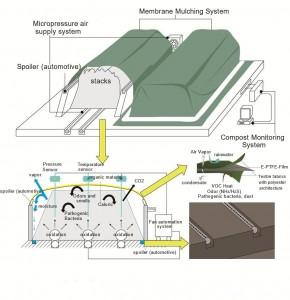
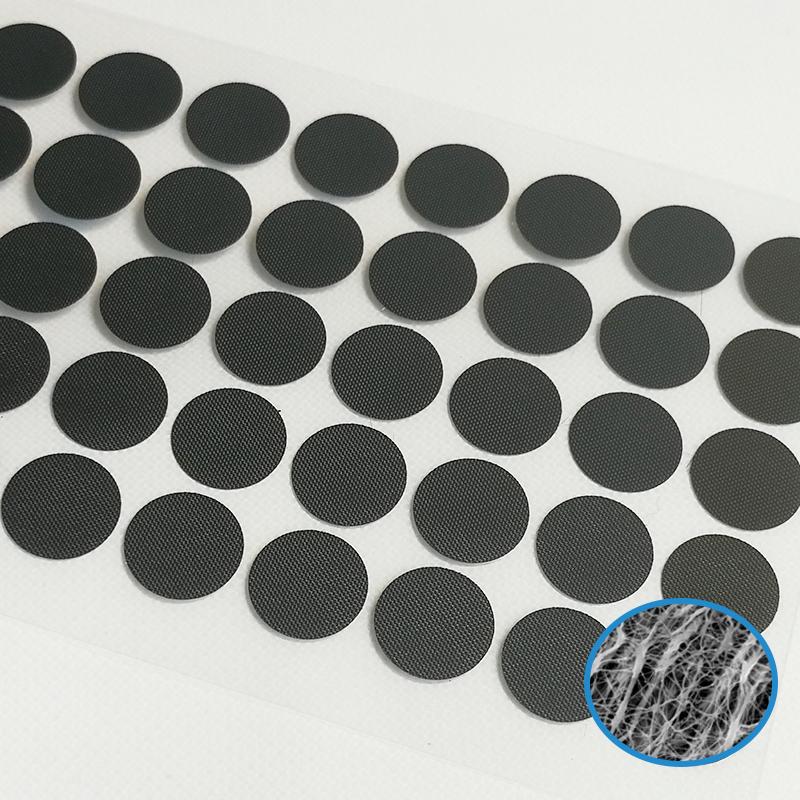
The ePTFE Protective Vent operates through a unique microporous structure that allows air to flow freely while blocking moisture and dust. This design enables the vent to maintain pressure equalization within electronic devices, which is crucial for their performance. The membrane effectively prevents the ingress of contaminants, ensuring that sensitive components remain protected from environmental threats.
One of the key applications of expanded PTFE membranes is in vents, where they are used to allow gases and liquids to pass through while preventing the ingress of contaminants such as dust, dirt, and water.
This mechanism is vital in various applications, as it helps to mitigate the risks associated with moisture and dust exposure. The ePTFE membranes achieve this by allowing moisture vapor to escape while blocking liquid water, thus maintaining the integrity of the electronics.
The unique properties of expanded PTFE membranes make them an ideal choice for use in vents, as they offer a number of benefits over traditional venting solutions.
Comparison with Other Materials
When comparing ePTFE Protective Vents to other materials, such as polyurethane (PU) and silicone membranes, several advantages become evident. ePTFE membranes excel in breathability, hydrostatic resistance, and thermal stability. They outperform PU membranes, which tend to degrade over time, losing their water resistance. Silicone membranes, while useful, generally offer less breathability than ePTFE.
- ePTFE membranes, like Gore-Tex and eVent, excel in breathability, hydrostatic resistance, and thermal stability.
- They allow moisture vapor to escape while blocking liquid water, making them ideal for high-performance applications.
- PU membranes are becoming competitive but tend to degrade over time, losing water resistance.
- Silicone membranes are generally less breathable than ePTFE.
These characteristics make the ePTFE Protective Vent a superior choice for safeguarding sensitive electronics in demanding environments. By investing in this advanced technology, manufacturers can enhance the reliability and longevity of their devices, ensuring optimal performance even in challenging conditions.
Unique Properties of ePTFE Protective Vent
Breathability and Waterproofing
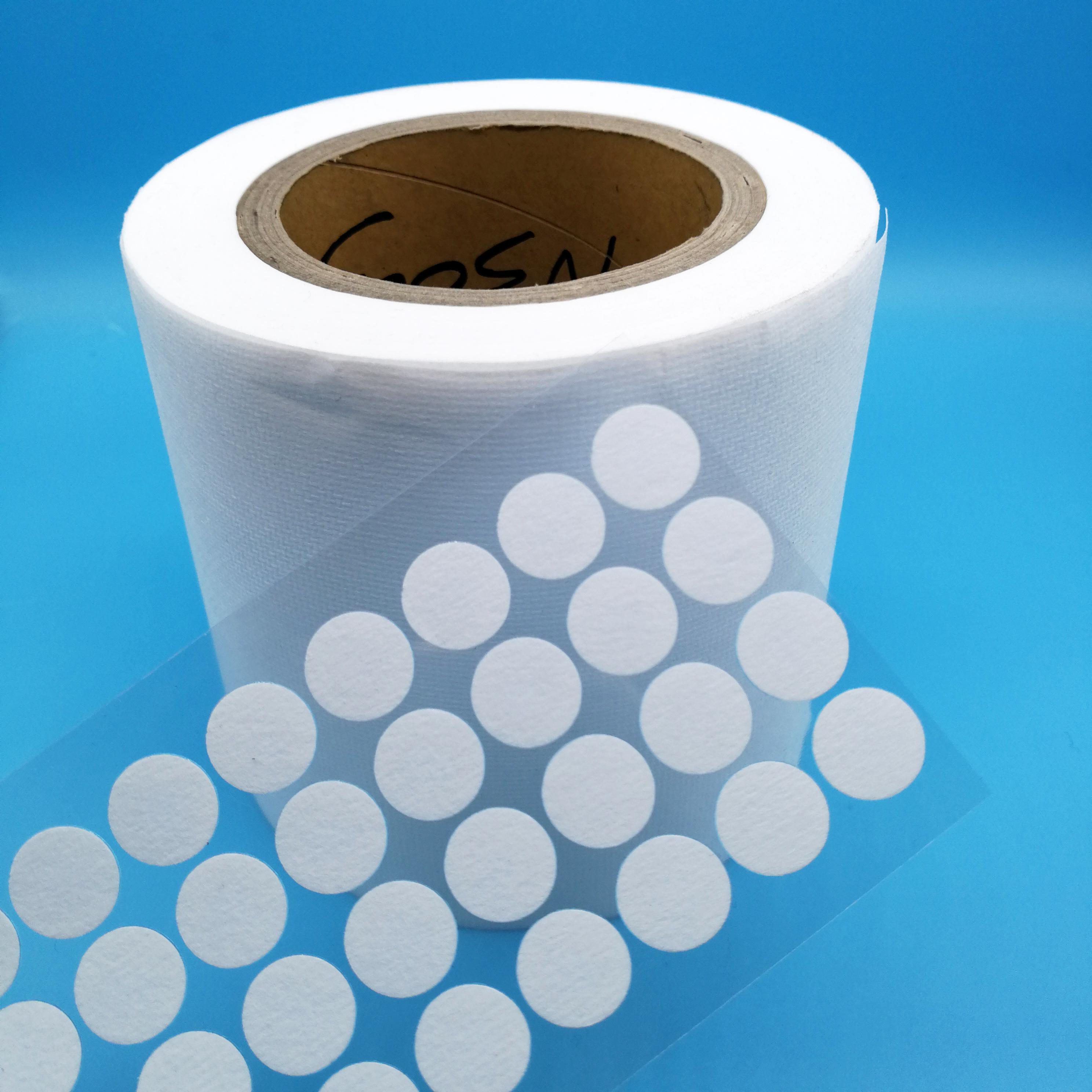
The ePTFE Protective Vent excels in both breathability and waterproofing, making it an ideal choice for safeguarding sensitive electronics. Its microporous structure allows the vent to block liquid water while permitting vapor molecules to escape. This feature is crucial for moisture management, ensuring that devices remain protected from external elements.
- The pores in ePTFE are 20,000 times smaller than water droplets, effectively blocking liquid water.
- At the same time, these pores are large enough for vapor molecules, allowing sweat and moisture to escape freely.
- This unique combination ensures that garments and devices remain waterproof, windproof, and breathable.
In comparison to other materials, ePTFE demonstrates a high moisture permeability rate, which is essential for maintaining optimal performance in various applications. The following table illustrates the moisture permeability of different materials:
| Material | Moisture Permeability (g/m2/24h) |
|---|---|
| ePTFE | High |
| Sintered PTFE | Consistent airflow properties |
Chemical Resistance
The chemical resistance of ePTFE is another significant advantage. This material can withstand strong acids, bases, and many industrial solvents, making it suitable for harsh environments such as chemical processing and oil and gas industries.
- ePTFE membranes resist chemical degradation due to their inert molecular structure, making them suitable for acidic and alkaline substances.
- This resistance prevents invasive chemical reactions while maintaining high permeability, enhancing the reliability and durability of electronic devices.
Compared to other venting materials, ePTFE stands out for its excellent chemical resistance. While rPTFE may vary in chemical resistance due to metal fillers, ePTFE maintains its integrity under challenging conditions.
Durability and Longevity
Durability and longevity are critical factors in the performance of the ePTFE Protective Vent. This material exhibits exceptional resistance to UV radiation and moisture, enhancing its durability in outdoor settings.
- ePTFE membranes retain flexibility and structural integrity even in extremely cold conditions, making them ideal for applications in aerospace and cryogenics.
- They can withstand high temperatures, maintaining performance in environments exceeding 150 °C, which is crucial for industrial and automotive applications.
- Engineered to resist mechanical forces, ePTFE membranes are durable against tearing, punctures, and abrasions due to their unique fibril network structure.
These properties ensure that the ePTFE Protective Vent remains effective over time, providing reliable protection for sensitive electronics in various environments.
Real-World Applications of ePTFE Protective Vent
Consumer Electronics
ePTFE Protective Vents play a crucial role in consumer electronics by safeguarding devices from environmental threats. These vents protect against water, oils, and dust while equalizing pressure within the devices. Common products that utilize ePTFE vents include:
- Waterproof mobile phones
- Smart wearable devices
- Digital cameras
- Headphones
- Electric toothbrushes
- Walkie-Talkies
- Scanners
The implementation of ePTFE vents has led to significant improvements in device reliability. For instance, GORE® Protective Vents used in Fingu’s RF subsystems reported no water intrusion over an 18-month period, showcasing a marked reduction in device failure rates.
Industrial Equipment
In industrial settings, ePTFE Protective Vents enhance the operational reliability of equipment exposed to harsh environments. These vents provide several benefits, including:
| Feature | Description |
|---|---|
| Pressure Equalization | Rapid and responsive equalization of pressure differentials to prevent damage. |
| Environmental Durability | Certified to withstand a wide range of environmental challenges, including intense weather patterns. |
| Temperature Resistance | Reliable performance across a wide range of operating temperatures, including significant temperature cycling. |
By protecting sensitive components from contaminants, ePTFE vents contribute to enhanced product performance and increased durability, leading to lower maintenance costs.
Medical Devices
ePTFE materials are essential in the medical field due to their biocompatibility, flexibility, and durability. These attributes enhance the safety and performance of medical devices. Applications include surgical instruments and implants, where ePTFE ensures compliance with critical healthcare standards. The use of ePTFE vents in medical devices helps maintain optimal functionality while protecting against environmental factors.
ePTFE is essential for protecting sensitive electronics from environmental threats. Its unique properties make it superior to traditional protective materials. Key advantages include:
- Waterproof yet breathable, preventing moisture ingress while allowing pressure equalization.
- High chemical resistance suitable for various electronic applications.
- Flexibility that enables tight seals on irregular surfaces.
Investing in ePTFE solutions enhances device performance and reliability, ensuring optimal functionality in demanding environments.
FAQ
What is ePTFE?
ePTFE stands for expanded Polytetrafluoroethylene. It is a versatile membrane known for its waterproof and breathable properties, ideal for protecting sensitive electronics.
How does ePTFE protect electronics?
ePTFE protects electronics by blocking moisture and dust while allowing air and vapor to escape, maintaining pressure balance and preventing damage.
Where can I use ePTFE Protective Vents?
You can use ePTFE Protective Vents in consumer electronics, industrial equipment, and medical devices to enhance performance and reliability in harsh environments.
Post time: Oct-08-2025